African Art — by tradition, region, and form
Eight living traditions, from the masks of the Yoruba to the silver of the Tuareg. Each page below carries the cultural history, the techniques, and the verified artists who carry the lineage today.
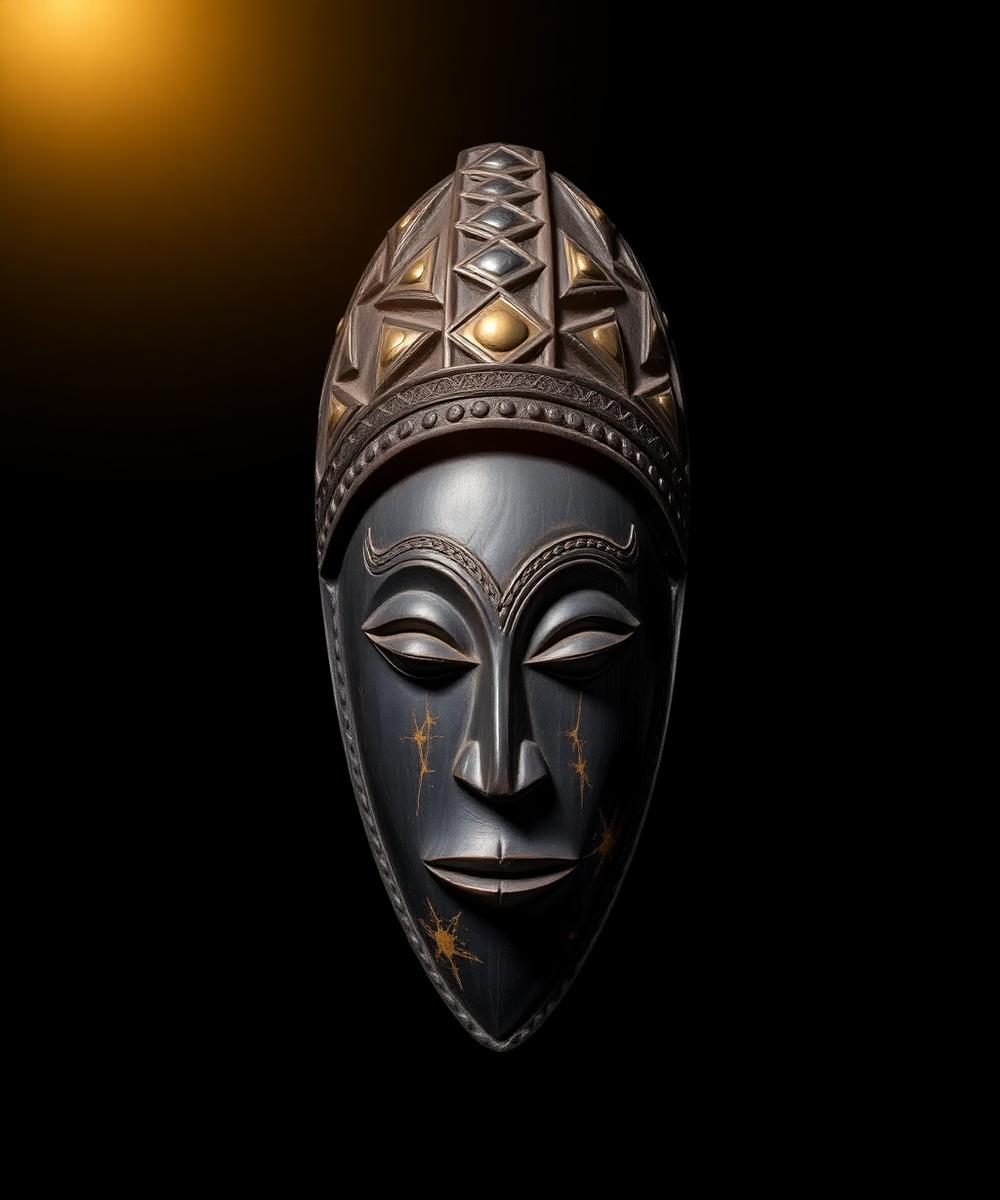
From the Yoruba Gelede of Nigeria to the Bamoun helmet masks of Cameroon, African masks are not decoration — they are vessels of ancestors, festivals, and law. Discover verified pieces direct from the artists who carry the lineage.
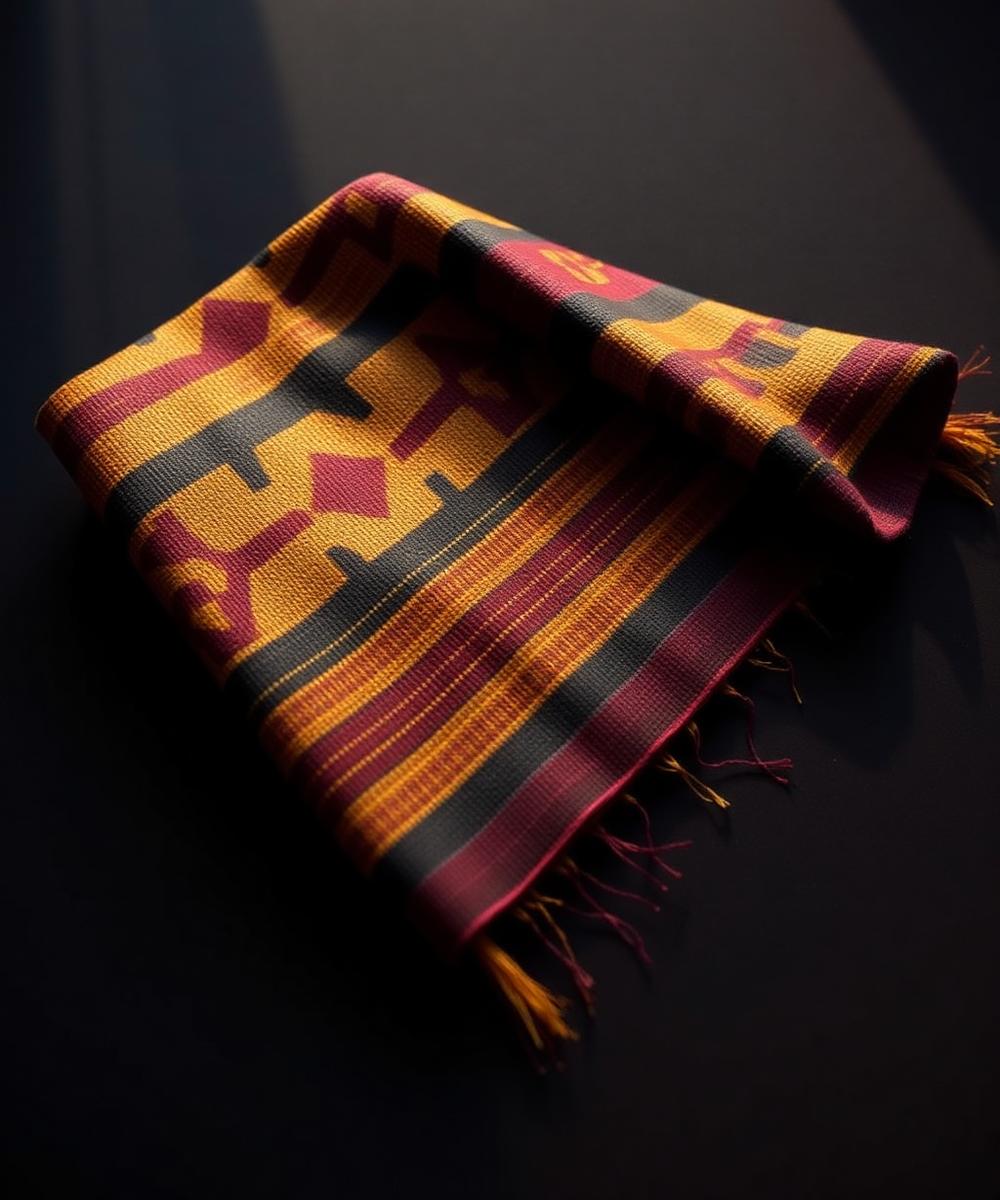
Every stripe, knot and dye in African cloth carries a name and a meaning. From the Ashanti looms of Bonwire to the indigo vats of Abeokuta, our weavers preserve languages spoken in thread.
The carver does not invent — he releases. From the Makonde of Tanzania to the Akan of Ghana, the master sculptors of Africa work each log as if a spirit is waiting inside.
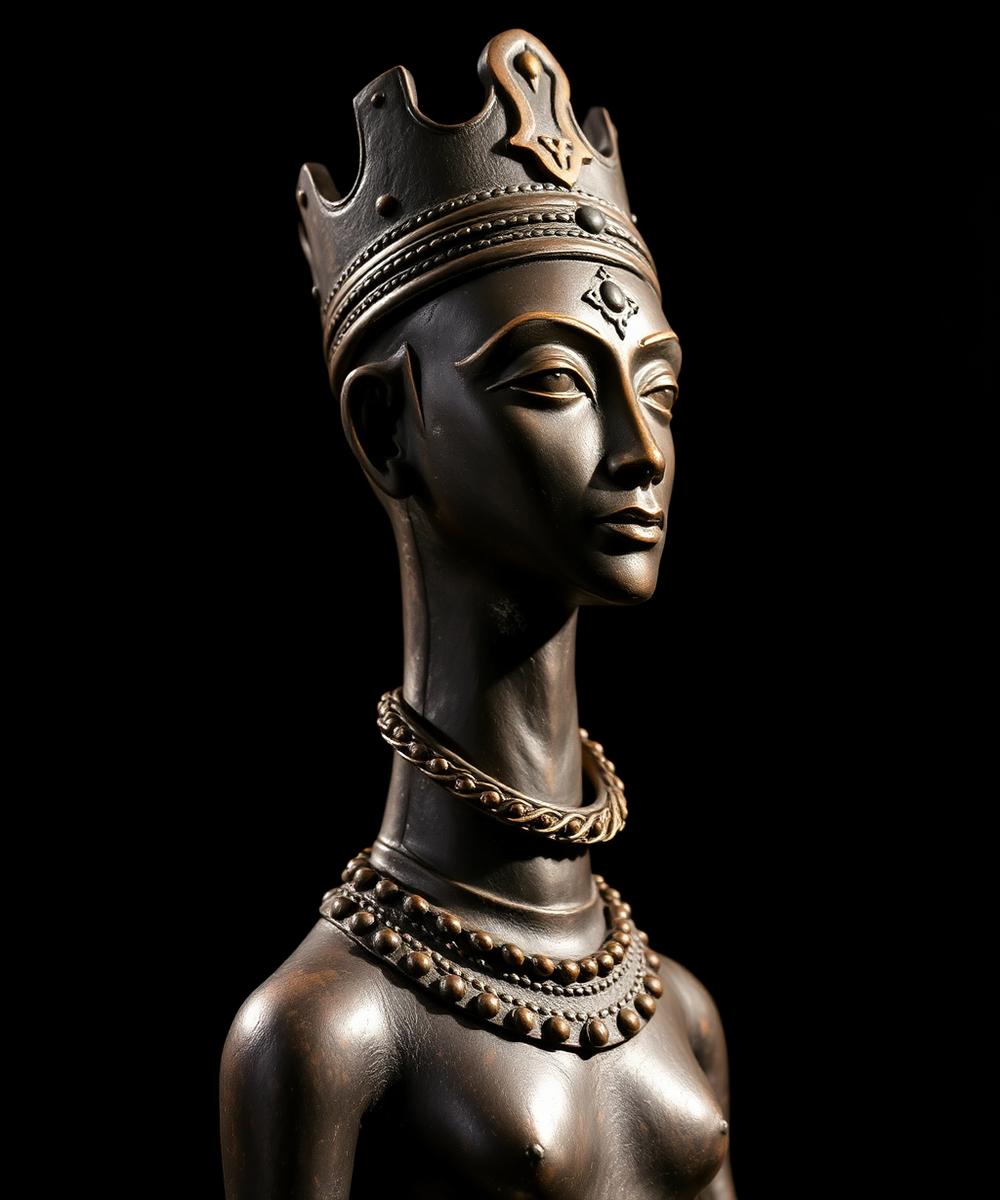
Bronze casting in Africa is older than the Renaissance. The Benin bronzes, the Ife heads, and the Igbo-Ukwu vessels are among the most technically refined metal artworks ever made by human hands.
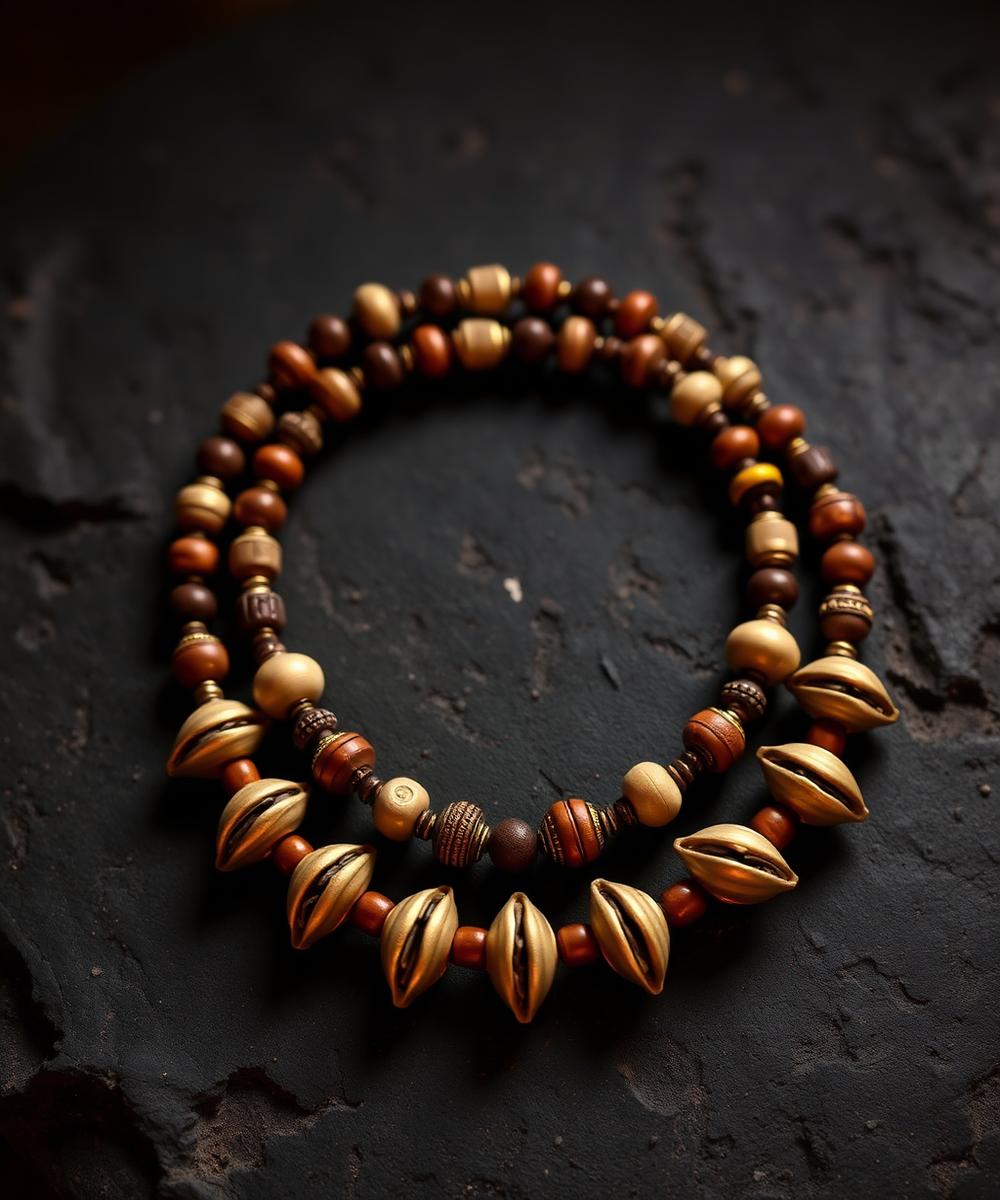
Across the continent, beadwork is a written language. Colour, pattern, and placement carry messages of love, status, mourning, and prayer — strung one bead at a time.
African ceramics are among the oldest continuous traditions in the world. From the Nok terracottas of Nigeria, made 2,500 years ago, to the burnished black ware of the Berber women of the Rif, pottery on this continent is overwhelmingly the work of women, and almost always built by hand.
From Lagos to Addis Ababa, Dakar to Johannesburg, a generation of African painters is reframing the global art conversation. Verified, signed, direct from the studio.
From the silver Tuareg cross to the gold of the Akan, from Berber amber to Ethiopian Coptic crosses, African adornment is the most personal of the continent's arts — worn against the skin and inherited through generations.